How to Choose the Right Braider for Your Hair Type
Not every braider suits every hair type. Whether you have fine 4A curls or thick 4C coils, this guide helps you choose a braider who understands your texture and can deliver the best results.
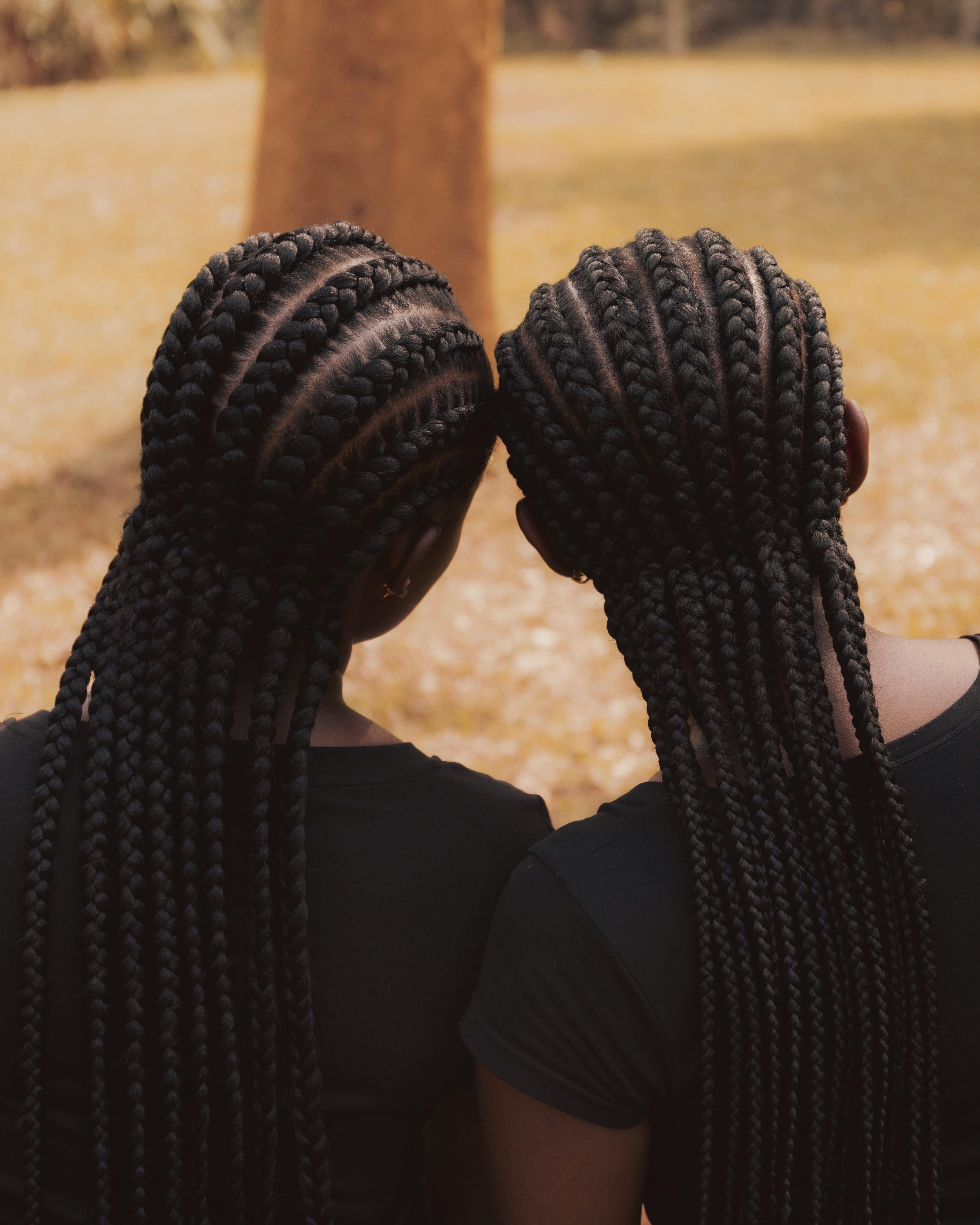
Choosing a braider is not just about finding someone who can braid. It is about finding someone who understands your specific hair type and knows how to work with it, not against it.
Hair type affects everything. How tight the braids should be. What technique works best. How long the style will last. What products should be used. A braider who is brilliant with thick 4C hair might not be the best choice for fine, looser curls. And vice versa.
Here is how to choose the right braider for your hair type so you get a beautiful result that lasts without damaging your hair.
Understand Your Hair Type First
Before you start searching for a braider, get familiar with your own hair. The most common Afro hair types are:
- Type 3 (curly): Looser curls with more defined ringlets. Often finer and more prone to frizz.
- Type 4A: Defined, tight curls with an S-pattern. Medium density.
- Type 4B: Z-shaped curls that are less defined. Can range from fine to coarse.
- Type 4C: The tightest curl pattern. Dense, coily and versatile but also the most fragile.
Most people have a mix of textures across their head, which is completely normal. Knowing your dominant texture helps you communicate with your braider and set the right expectations.
Why Hair Type Matters When Choosing a Braider
Different hair types respond differently to braiding:
- Fine or thin hair needs lighter tension and smaller sections to avoid breakage.
- Thick, dense hair can handle firmer braiding but needs a braider who can create neat partings through volume.
- Fragile or damaged hair requires a gentle touch and may not suit very tight or very small styles.
- Loose curl patterns can be harder to grip, so the braider needs to know how to secure the braid without over-tightening.
A braider who only works with one hair type may not adapt well to yours. That is not a criticism of their skill. It is just a mismatch.
What to Look for in a Braider for Fine or Thin Hair
If your hair is fine, thin or prone to breakage:
- Look for a braider who mentions working with delicate or thin hair.
- Ask if they adjust tension based on hair type.
- Check their portfolio for styles on hair similar to yours.
- Avoid braiders who only showcase very thick, voluminous styles.
- Consider medium or larger braids rather than very small ones to reduce stress.
What to Look for in a Braider for Thick or Dense Hair
If your hair is thick, coarse or very dense:
- Look for a braider with experience doing knotless braids or cornrows on thick hair.
- Check that their partings are clean and defined even with volume.
- Ask how long the appointment will take. Thick hair takes longer, and a braider who does not account for this will rush.
- Make sure they use techniques that lay the braid flat without excessive force.
What to Look for if You Have Thinning Edges or Alopecia
If your edges are thinning or you have areas of hair loss:
- Choose a braider who is upfront about what styles are safe for your hair.
- Look for someone who offers tension-free techniques like knotless braids.
- Avoid anyone who dismisses your concerns about tightness or pulling.
- Ask how they handle fragile areas. A good braider will adjust the parting pattern and braid size around those zones.
How to Vet a Braider Before Booking
Once you have shortlisted a few braiders, vet them properly:
- Ask to see photos of clients with a similar hair type to yours.
- Read reviews that mention hair type, not just the style.
- Ask about their process. Do they consult before starting? Do they check tension during the appointment?
- Look for braiders on platforms like All Done where you can filter by style, see verified reviews and book with confidence.
Final Thoughts
The right braider for your hair type is someone who sees your texture, understands it and works with it. They do not force a technique. They adapt. They check in. And they produce a result that looks great and feels comfortable from day one.
Take the time to find someone who matches your hair, not just your style preference. Your scalp and your edges will thank you.