Natural or Protective? There’s No Right Answer
There’s been a lot of conversation lately around natural hair and protective styles. But hair isn’t that simple, and it doesn’t have to be one or the other. Both can exist together.
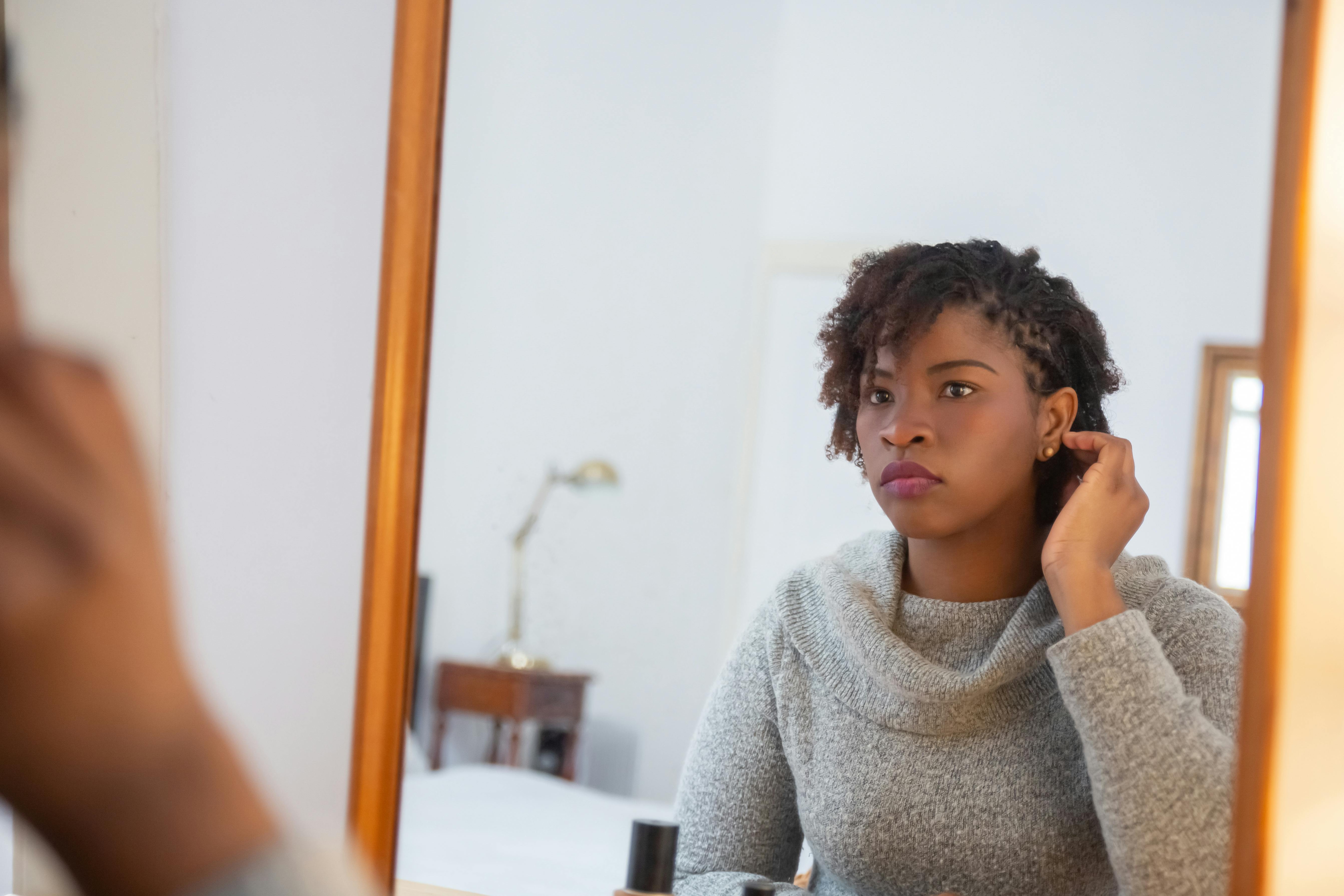
There’s been a lot of conversation lately around natural hair and protective styles.
- What you should wear.
- What you shouldn’t wear.
- What’s “better.”
But the truth is, it’s not that simple.
For many women with afro and textured hair, hair isn’t just about appearance. It’s time, effort, lifestyle, and sometimes even emotional energy. The idea that everyone should wear their hair in its natural state all the time sounds empowering on the surface, but in reality, it isn’t always practical.
Between work, family, and everyday life, spending hours detangling, styling, and maintaining natural hair every single day isn’t always realistic. And that’s exactly why protective styles exist.
Protective styles were never about hiding your hair
Protective styles were never about hiding your hair. They were created to support it. To reduce daily manipulation, retain length, and make hair care more manageable over time. They are part of a long-standing culture of care, creativity, and practicality.
Both can exist together
At the same time, choosing protective styles doesn’t mean disconnecting from your natural hair.
Wearing braids, wigs, or other styles doesn’t mean you don’t love your hair in its natural state. And embracing your natural hair doesn’t mean you have to reject protective styling either.
“Both can exist together.”
Loving your hair in its most natural form
Loving your hair also means appreciating it in its most natural form. Not just when it’s styled, defined, or perfectly laid, but in its everyday state too. Edges not styled. Texture untouched. Simply as it is.
Because that version of your hair deserves the same care and appreciation.
There isn’t a single right way
At the end of the day, there isn’t a single “right” way to wear your hair.
Some days, you might want the ease and convenience of a protective style. Other days, you might want to wear your hair out, just as it grows. And both choices are valid.
What matters most is that your hair works for you, your lifestyle, and how you feel.
“Your hair is not something you have to prove anything with. It’s something you get to choose.”