The Struggle of Finding Afro Hairstylists in the UK and How Technology Is Changing It
For decades, finding Afro hairstylists in the UK has been frustrating, unreliable and stuck in the past. Here is why the system has been broken and how new technology is finally fixing it.
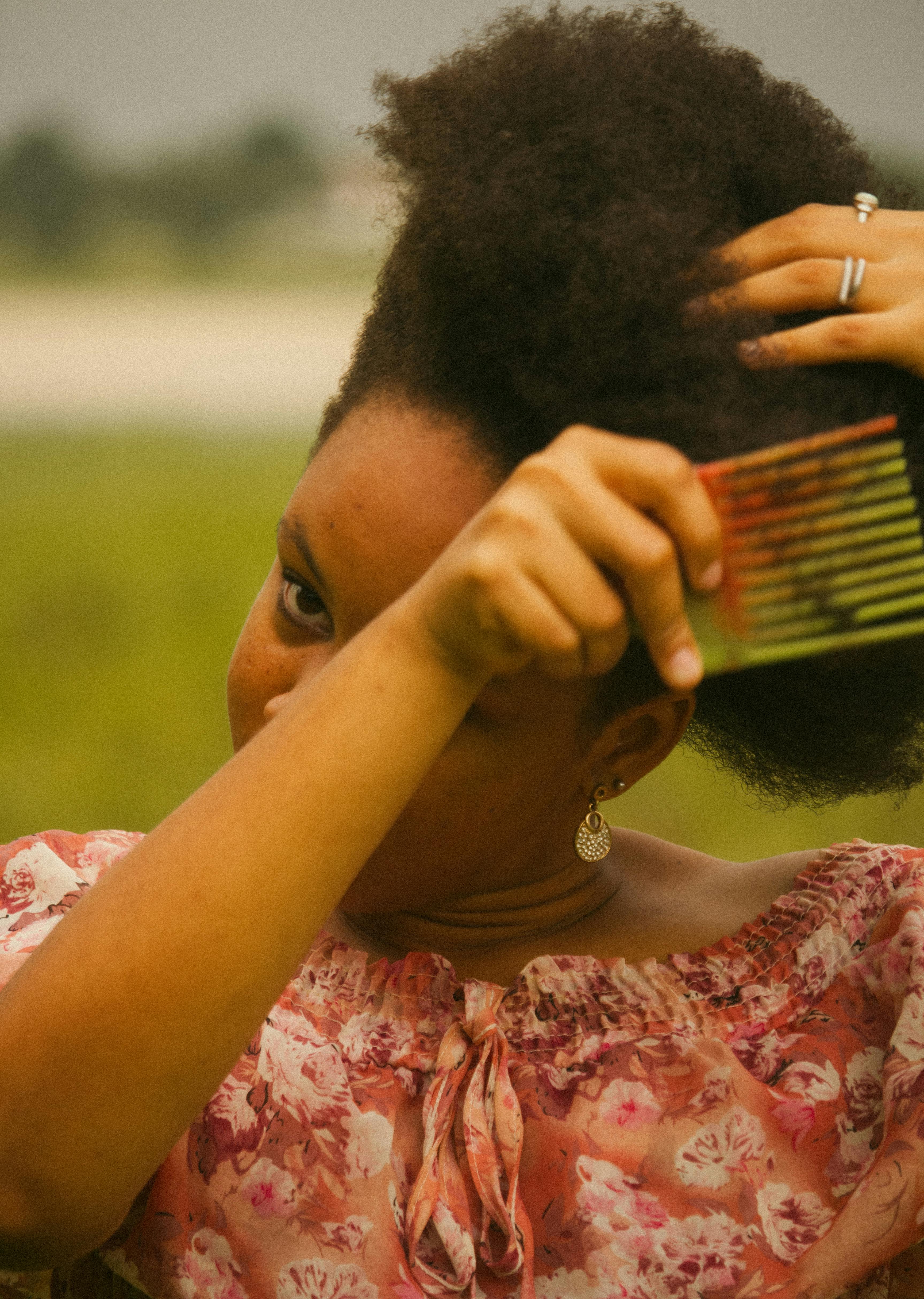
If you have Afro hair and live in the UK, you already know. Finding a good hairstylist is not as simple as searching Google and picking one. The infrastructure that exists for mainstream hair, the review sites, the booking platforms, the salon directories, was not built with Afro hair in mind.
For years, the community has relied on word of mouth, social media and a whole lot of trial and error. Some of that has worked. A lot of it has not.
But things are starting to change. Technology is finally catching up, and new platforms are being built specifically for the Afro hair community.
The Problem Has Always Been Visibility
The UK has thousands of talented Afro hairstylists. They are in every city, every borough, every neighbourhood. But most of them are invisible online.
- Many work from home and do not have a Google Business listing.
- Salon directories like Treatwell and Fresha are dominated by mainstream hair services.
- Instagram is where most Afro stylists market, but it is terrible for search and discovery.
- There is no standard way to compare prices, availability or reviews.
So the client has to do all the work. Searching hashtags. Asking friends. Joining Facebook groups. Messaging five stylists and hoping one replies with clear information. That is not a system. That is a workaround.
Why Mainstream Platforms Have Failed Afro Hair
Platforms like Treatwell, Booksy and Fresha have done incredible things for mainstream hair. But they have consistently underserved the Afro hair market because:
- Their categories are built around European hair types. You will find “balayage” and “keratin treatment” but struggle to find “knotless braids” or “silk press” as searchable services.
- Afro hair services take longer, cost differently and require specialist skills that do not fit neatly into generic booking slots.
- The stylists on these platforms are overwhelmingly non-Afro specialists.
- The review and rating systems do not account for the specific concerns Afro hair clients have.
The result is that Afro hair clients feel like an afterthought on these platforms, because they are.
How Technology Is Finally Changing Things
The good news is that a new wave of platforms is being built with Afro hair at the centre, not as an add-on.
Platforms like All Done are designed specifically for Afro hair clients and stylists. Here is what that looks like in practice:
- Search by Afro-specific styles. Knotless braids, cornrows, locs, twists, crochet, wigs and more.
- Filter by location, price and real-time availability.
- See verified reviews from other Afro hair clients.
- Book and pay securely without DMs or bank transfers.
- Access portfolios that show actual recent work.
This is not just a booking tool. It is an ecosystem designed around how Afro hair appointments actually work.
What This Means for Clients
For clients, the shift is significant:
- Less time searching. More time choosing.
- Clear pricing before you commit.
- Verified reviews you can trust.
- Secure payment and booking confirmation.
- Access to stylists you would never have found through word of mouth alone.
You no longer have to settle for whoever your friend recommended or whoever replied to your DM first. You can actually compare, evaluate and choose.
What This Means for Stylists
Technology is not just helping clients. It is transforming how Afro hairstylists run their businesses:
- Professional online presence without needing a website.
- Steady bookings through search and discovery, not just referrals.
- Secure payment processing with no chasing clients for money.
- Reviews and ratings that build credibility over time.
- Tools to manage availability, pricing and client communication.
The Bigger Picture
What is happening in the Afro hair space is part of a larger story. Communities that have been underserved by mainstream tech are building their own solutions. And those solutions are often better because they are built by people who actually understand the problem.
The struggle of finding Afro hairstylists in the UK is real. It has been real for a long time. But it does not have to stay that way. The tools are here. The platforms are growing. And the future of Afro hair in the UK looks very different from its past.